The Best VPN in 2026
VPNs have gone mainstream on promises of anonymity and security, but not all VPNs are created equal.
A lot has changed since my last VPN list in 2024 yet also - somehow - not much has. People are still flocking to VPNs based on promises from YouTubers and podcasters about anonymity, privacy, and cybersecurity.
But are these people really getting those promised protections? Which VPNs offer actual advantages?
What a VPN is and what it does
A VPN (virtual private network) creates an encrypted tunnel between your device and a server operated by the provider. Everything you send through that tunnel - browsing, videos, apps - travels inside it, so whoever sits between you and the exit server (typically your ISP or the Wi-Fi at the coffee shop) sees encrypted garbage instead of your traffic and websites see the VPN's IP address instead of yours.
The technology was originally built so businesses could link office networks or remote employees over the public internet, not to protect consumer privacy, but repurposed as a consumer privacy tool, it offers roughly four things:
- Encrypted traffic against your ISP and local network. Your ISP can still see that you're using a VPN and roughly how much data moves, but not the contents or destination sites.
- Hiding your IP address from websites. Useful for avoiding IP-based tracking.
- Location spoofing. Your traffic appears to come from wherever the exit server sits. Depending on where you live and what you're accessing, this can offer censorship circumvention or access to geo-restricted content.
- A safer connection on public networks. Public Wi-Fi in airports, stores, and hotels can theoretically be risky, but a VPN can provide a layer of protection.
Why you might not need one
If you only know VPNs from sponsorships on big podcasts and YouTube channels, you might think that a VPN is the one and only tool you need to browse safely online. It'll make you anonymous, unhackable, and private.
Of course, that's all marketing bullsh*t.
As with nearly everything, there's nuance and threat models come into play.
 Nathan Bartram

If your goal is privacy/anonymity, a VPN barely moves the needle. Modern HTTPS encrypts nearly all of the web, so the VPN mostly just hides your IP address. Unfortunately IP address is a very tiny part of how websites track users these days. I have a video that goes into detail on this:
 The New Oil
Most reputable VPN providers come with DNS-based blocklists that block ads, trackers, and malware, but it's important to note that these are imperfect.
- They only block known threats. A new malware domain or phishing site that springs up tomorrow may not be added to the blocklist for hours, days, or weeks (if at all).
- There are limitations to DNS-based blocking. It won't block other forms of fingerprinting, or if the tracking links are served using the same domain as the website.
A good encrypted DNS provider can offer much of the same protection as a VPN for free, except for the IP address change. Privacy Guides keeps a curated list:

If you have a particularly high threat model - such as being a journalist or activist - it's important to know that in theory VPNs can be susceptible to high-level attacks like traffic correlation, real-time analysis, and that the VPN company at bare minimum probably has a record of your account and payment information. There are better tools in these situations like the Tor browser.
 Nathan Bartram

I strongly recommend checking out IVPN's "Do I need a VPN?" website before you fork over money for a VPN.

As a reminder, you can view my criteria for a VPN here:
 Nathan Bartram

Proton VPN
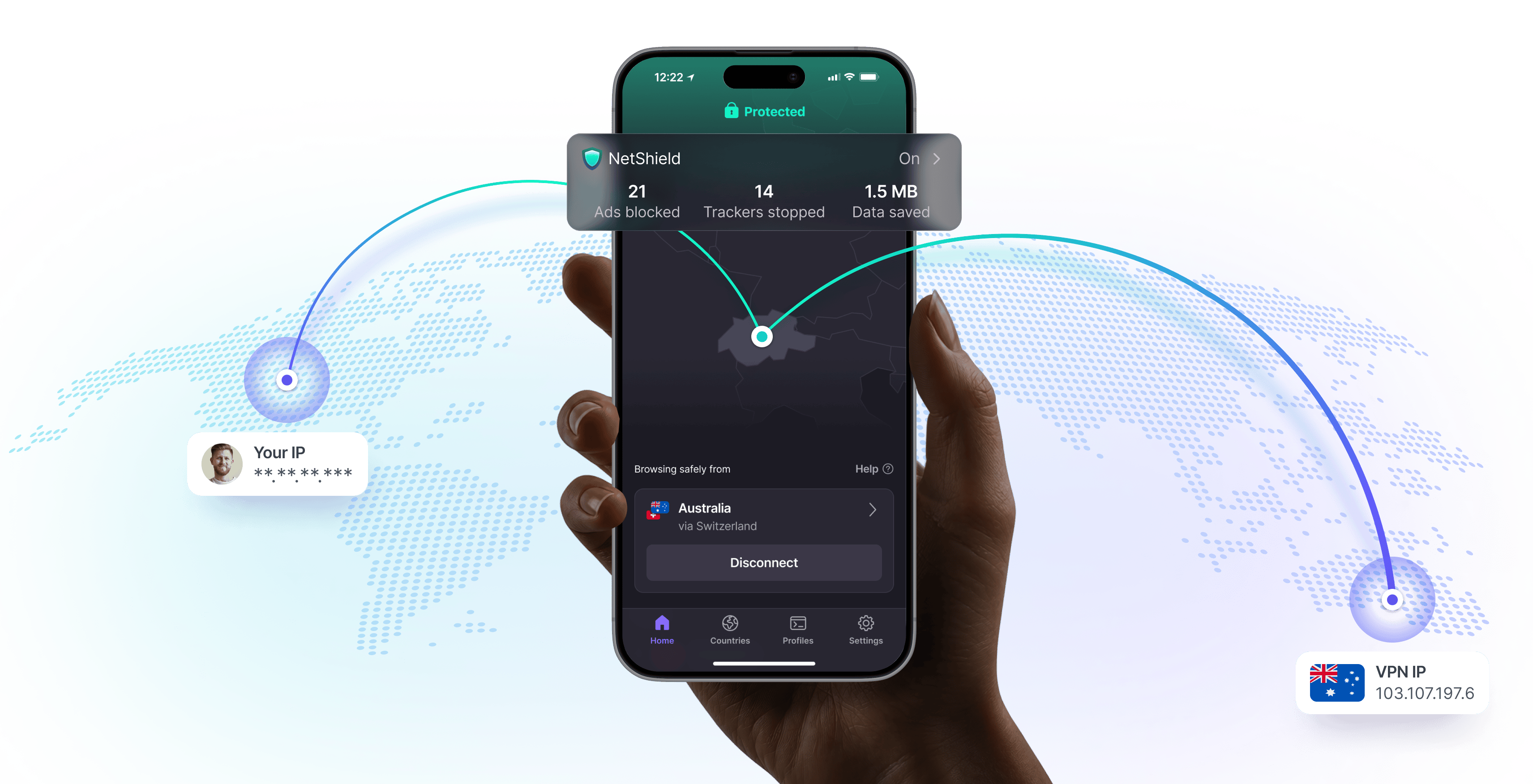
Proton VPN operates under Proton AG, headquartered in Switzerland and subject to that country's strong privacy laws. Its infrastructure has been audited regularly by reputable cybersecurity firms with additional independent audits of its browser extensions and apps.
For the vast majority of people with a low or average threat model, Proton is likely the best choice for two reasons:
- The ecosystem: Every Proton account includes a VPN, email, calendar, cloud storage, password manager, and more, all encrypted, open source, and independently audited (and optional for those who just want a VPN).
- Features: Proton has servers in over 140 countries, port forwarding, and guarantees to work reliably with streaming services like Netflix, Disney+, or Hulu. This is in addition to the standard features you can expect from most VPN providers like multihop, DNS-based blocking, Tor over VPN, and more.
Proton is also one of the few VPNs that offers a free tier that can be trusted. Most free VPNs are sketchy at best, likely selling your data to advertisers (if not worse) to fund the expensive cost of running a VPN service. Proton's is likely safe because it uses a "freemium" model: the free tier is subsidized by paying subscribers and has severe limitations to encourage you to upgrade to a paid plan if possible. If you're on a tight budget but still need a trustworthy VPN, Proton is one of the few choices we can recommend.

Mullvad
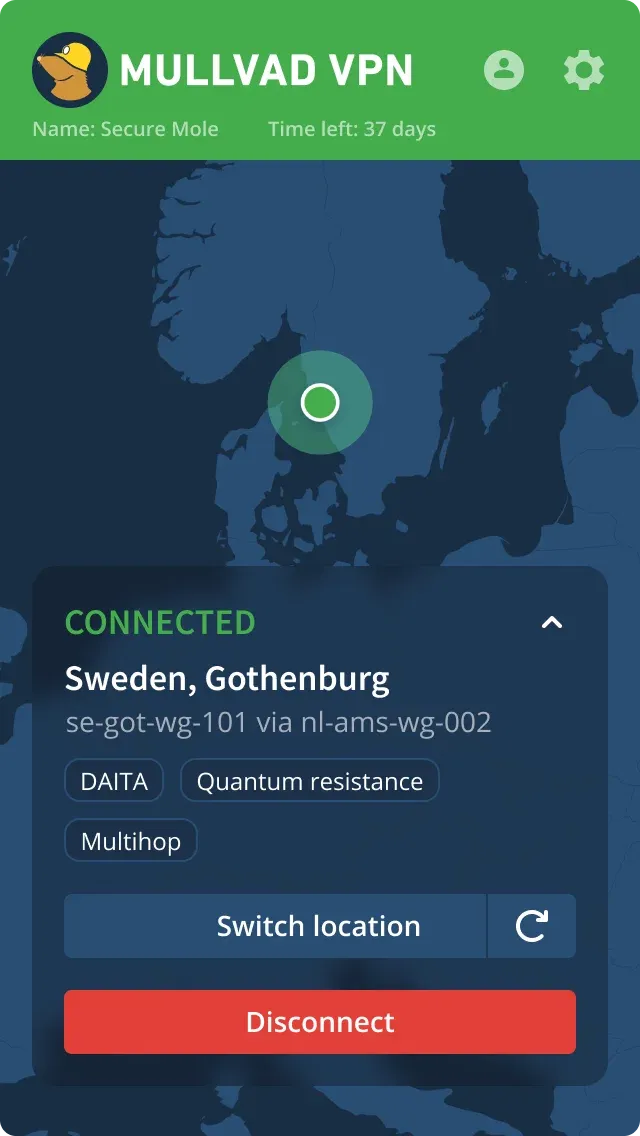
For folks who don't care about an ecosystem or streaming content, Mullvad is one of the top recommendations in the privacy community, and with good reason.
Mullvad's top priority is user privacy. Over the years they have built a service designed to know as little as possible about their users. When Swedish police raided the company's offices in April 2023, they left empty-handed because there was nothing to seize: Mullvad generates random account numbers, needs no email, doesn't keep logs. All servers run only in the RAM (temporary memory) and they refuse automatic subscriptions to avoid keeping user payment information.

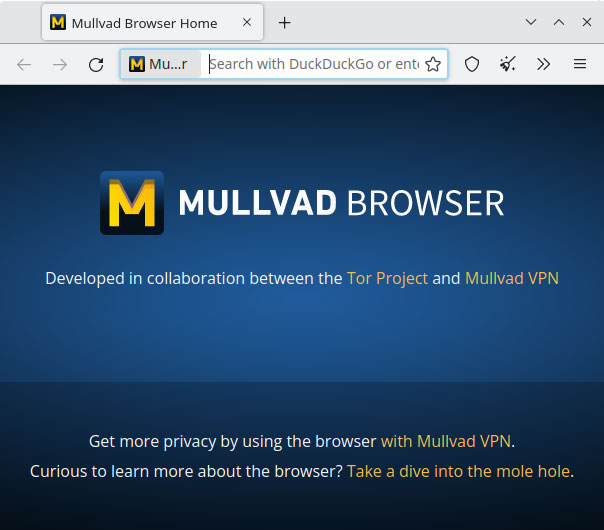
Mullvad also has a history of pioneering and innovating with new technologies that go above-and-beyond to protect user privacy. They were one of the first VPNs to adopt Wireguard and stop supporting OpenVPN, they introduced DAITA in 2024 to help protect against AI-guided traffic analysis, and they're one of the few VPNs to accept Monero and cash as payment. They've partnered with The Tor Project to release the Mullvad Browser, which is one of the best privacy browsers available.

Mullvad famously has only a single €5/month plan for all features, no matter how far in advance you pay. This includes all servers and standard features like multihop, DNS-based blocking, and more.

IVPN
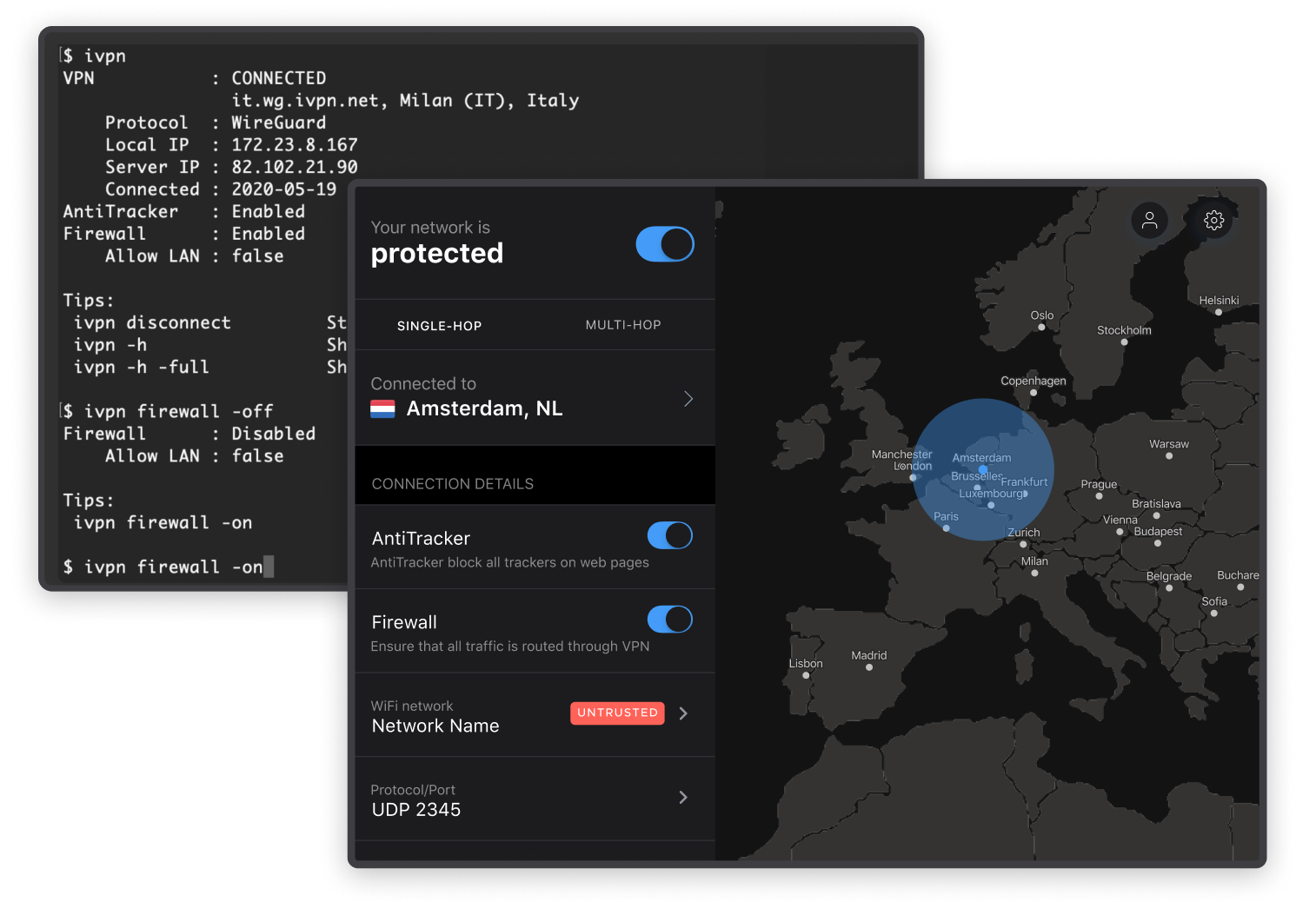
Another recommendation the privacy community consistently rallies behind, IVPN occupies a middle ground between Proton's ecosystem and Mullvad's strict privacy focus. IVPN's biggest differentiator is a handful of unusual but interesting and genuinely useful features.
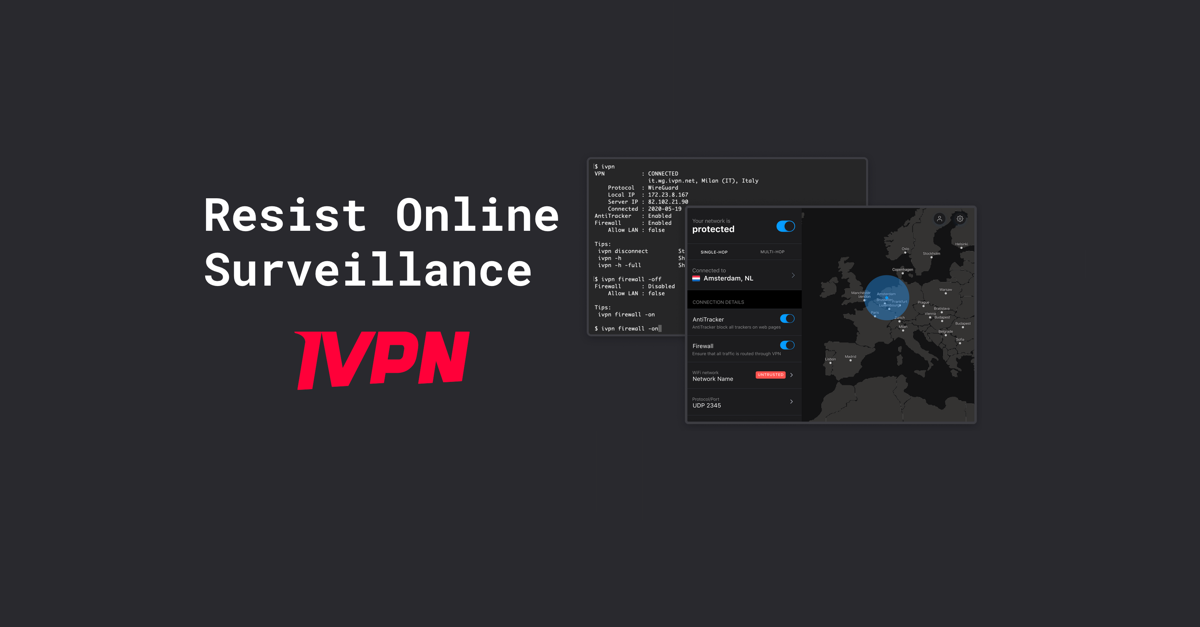
One of my personal favorites is "trusted Wi-Fi networks." You can configure the app to automatically connect or disconnect the VPN depending on which network you're using, so it can kick in as soon as you leave the house but then turn off at home.
You can also pause the VPN for a pre-set period of time. For example, say you need to turn it off for five minutes to check your bank account because your bank blocks VPN IP addresses. No worries if you forget to turn it back on afterward, it'll turn on automatically once the five minutes are up.
There's also a "hardcore mode" that blocks all Big Tech servers. In truth, this mode will probably cause too much breakage for the average person to use it, but it's also eye opening how many services rely on AWS or other such infrastructures.
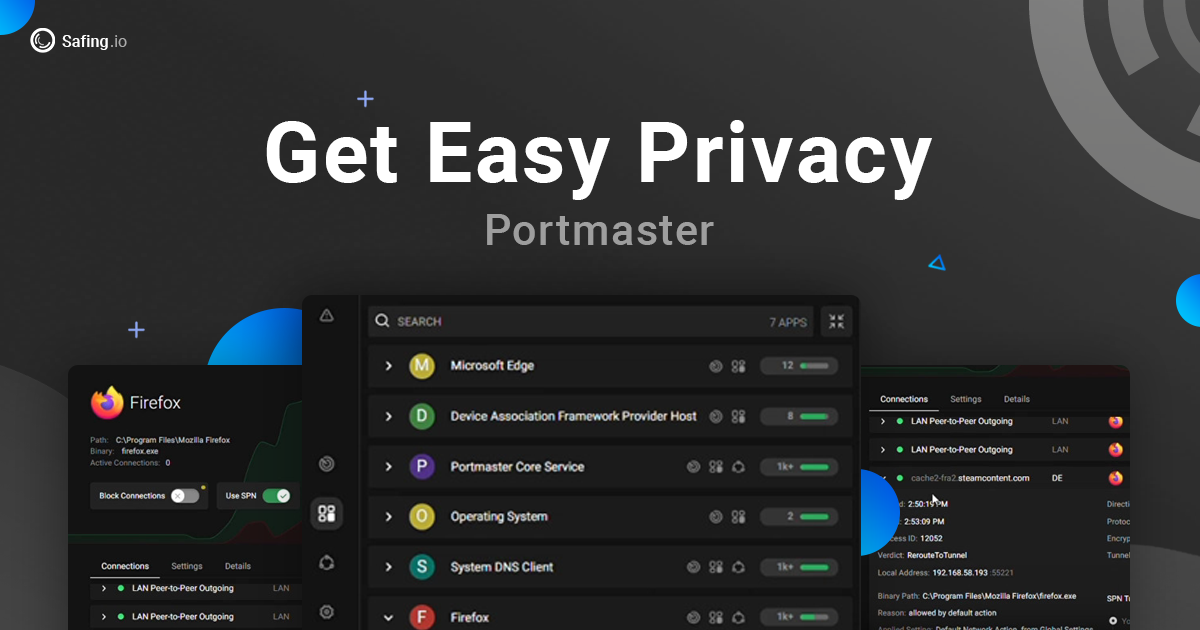
In recent years, IVPN has also added some features that set it apart from others on this list like an email aliasing service (Proton also offers this through their SimpleLogin integration) and a cloud-based, configurable DNS (similar to NextDNS or Control D). The top tier also offers Portmaster Pro, a device-based firewall that includes SPN (see the Honorable mentions).

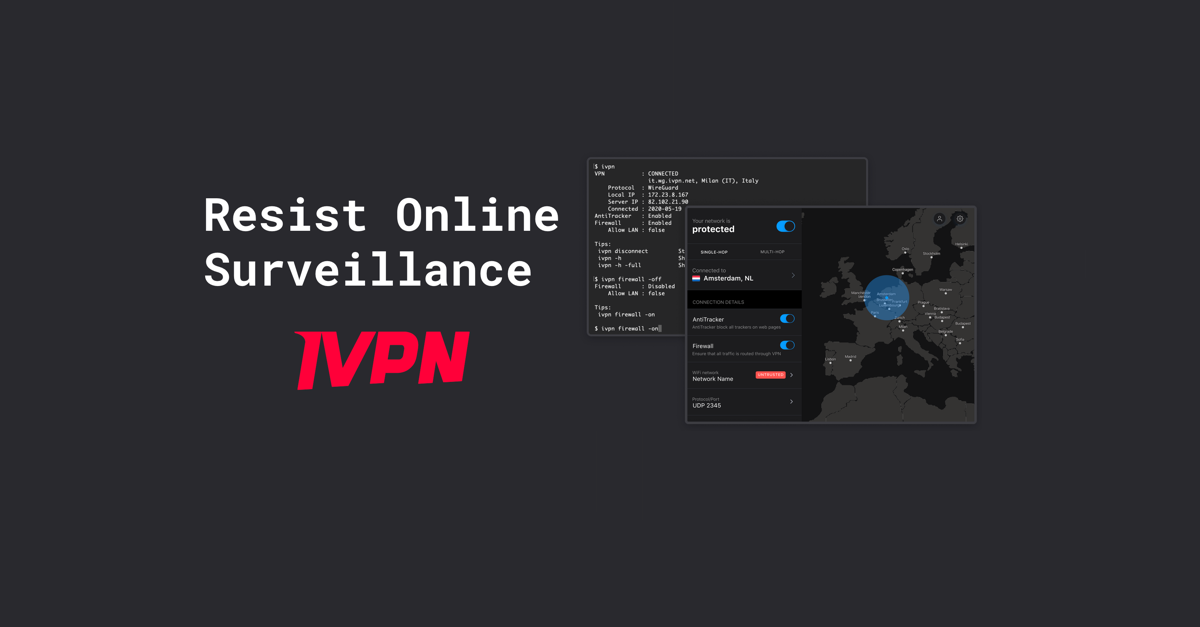
Like Mullvad, signup happens through a randomly generated ID rather than an email address, and the company accepts Monero through its self-hosted payment processor. Based in Gibraltar, IVPN includes all the standard features like multihop, killswitch, basic DNS-blocking (even without their paid DNS service), and split tunneling.

The New Oil is supported by our audience. If you're getting value out of our work, please consider supporting us. (It gets rid of this banner!)
Honorable mentions
There are two services that don't quite meet our criteria but still deserve to be mentioned.
Safing Privacy Network (SPN)
As mentioned earlier, VPNs weren't originally designed for privacy. This has left a significant number of inadequacies their current protections. SPN routes each connection independently through different exit nodes with multihop architecture, giving you multiple simultaneous identities by default - somewhere between a VPN and Tor. It's currently only available on Windows & Linux, but if you use one of those operating systems I strongly encourage you to consider at least adding their free Portmaster firewall program to your device.

RiseUp VPN
Riseup is a Seattle-based autonomous tech collective that builds free tools for activists, funded entirely by donations. No subscriptions, no advertising, no paid tier trying to upsell you, and open-source clients built on the Bitmask and LEAP platform. Riseup VPN is extremely limited (no choice of server location, no advanced features) but it's another trustworthy free option if you'd prefer not to use Proton.

Keep an eye on Obscura VPN
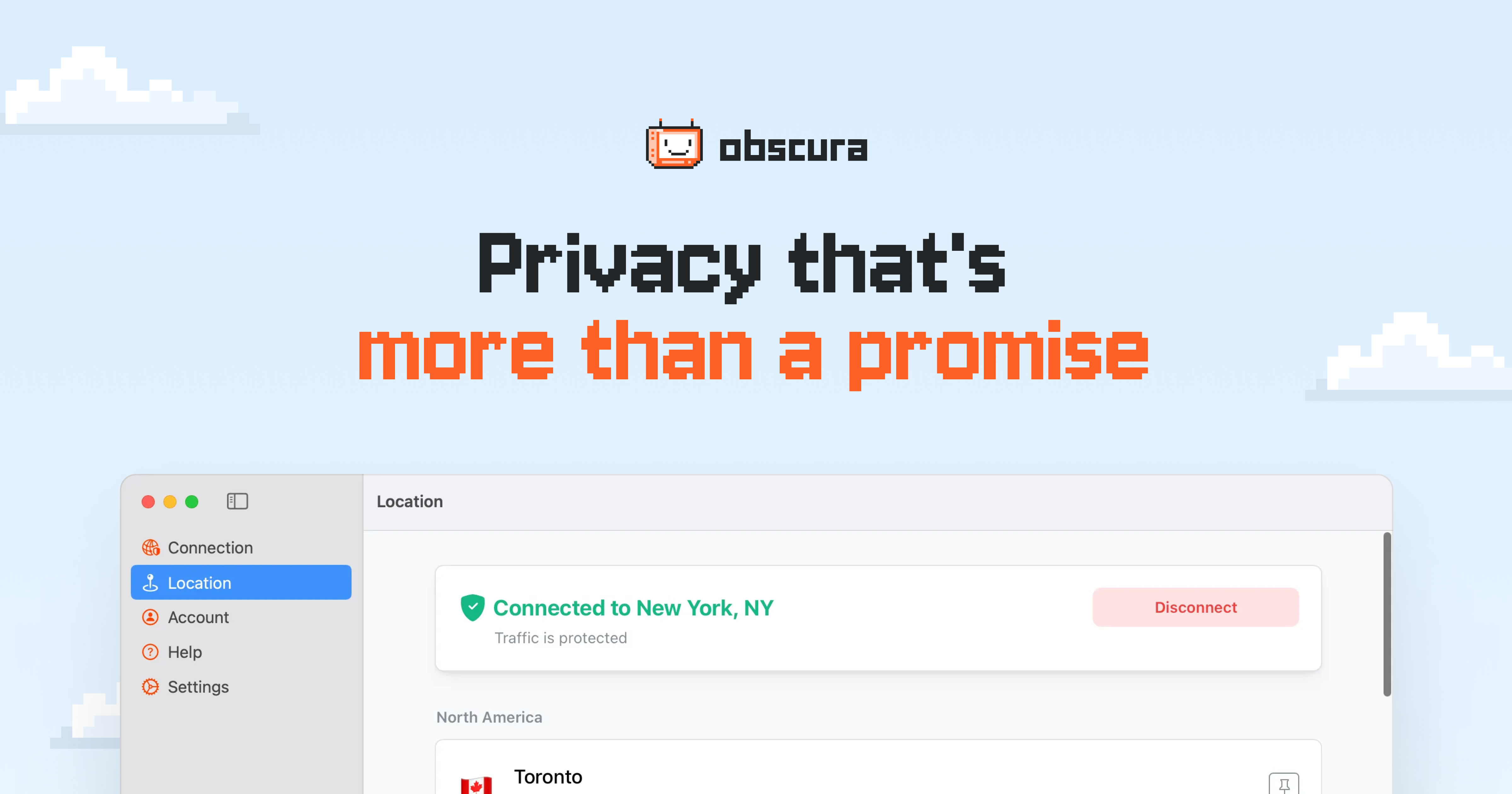
Launched in 2025, Obscura's architecture is genuinely innovative: a "two-party" VPN where your traffic first goes through Obscura's servers and then exits through Mullvad's. Obscura can see who you are, but not your traffic. Meanwhile Mullvad can see your traffic, but knows nothing about you. You never have to completely trust either party. Obscura has since grown to over 30 countries, added DNS-based blocking, and passed its first independent audit in December 2025. They accept Monero and do not require an email address.
Currently Obscura is only available on Mac and Windows, with a Linux client in the works. Once it rolls out to all operating systems, it will likely become a recommendation (or at least a full-on "honorable mention").

Conclusion
While far from being the silver-bullet panacea that many unethical providers claim them to be, VPNs can still serve a valuable role in helping protect you online, with additional “cherry on top” perks like unblocking content or evading censorship.
It’s important, however, to pick the right one.
Using a VPN means placing a lot of trust in a middleman who can potentially see all your traffic but promises not to and indeed to offer additional protections. Make sure to choose wisely and pick someone who respects you, your data, and provides what’s actually best for you and not their bottom line.
Tech changes fast, so be sure to check out our website for all the latest recommendations, tools, services, and more.


